
The Art of Hand‑Coloured Leather, A Celebration of Craftsmanship, Colour & Timeless British Design
- Leanne Lythgoe

- Oct 29, 2024
- 3 min read
Updated: Dec 22, 2025

In the world of leather craftsmanship, few traditions are as captivating as the art of hand‑coloured leather. Unlike mass‑produced finishes, hand‑coloured leather carries depth, character, and individuality — each piece telling a story shaped by the artisan’s skill and the natural beauty of the hide.
At Winchester Furniture, this tradition aligns perfectly with our commitment to heritage craftsmanship, premium materials, and furniture built to last for generations.
A Rich History Rooted in Tradition
Leather has been treasured for thousands of years, valued for its durability, warmth, and versatility. Early civilisations used natural pigments and plant‑based dyes to transform plain hides into richly coloured garments, tools, and ceremonial pieces.
Historically, artisans relied on:
• Vegetable dyes (walnut, oak bark, madder root)
• Mineral pigments (iron oxide, indigo, ochre)
• Organic colour sources (cochineal for reds, saffron for golds)
These methods reflected both craftsmanship and cultural identity. But with the rise of industrial production in the 19th and 20th centuries, many traditional colouring techniques faded from mainstream use.
Today, however, hand‑coloured leather is experiencing a powerful revival — driven by consumers who value authenticity, sustainability, and artistry.
Our Story 1994
The Techniques Behind Hand-Coloured Leather
Creating hand‑coloured leather is a meticulous, multi‑stage process that requires patience, precision, and a deep understanding of colour.
1. Selecting the Leather
Artisans begin with premium hides — typically full‑grain cowhide or lambskin — chosen for their natural character and ability to absorb colour beautifully.
2. Preparing the Surface
The leather is cleaned, smoothed, and conditioned to ensure an even, receptive surface for dyeing.
3. Applying the Colour
There are several traditional methods, each producing a distinct effect:
Brushing
Creates soft gradients and tonal transitions.
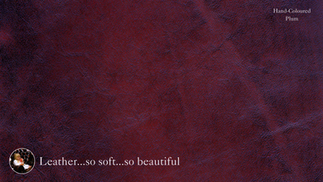
Example: A deep burgundy base fading into warm chestnut highlights.
Airbrushing
Allows for intricate patterns and precision shading.
Popular for floral motifs, artistic panels, and statement pieces.
Hand‑Rubbing
The most tactile method — dye is massaged into the hide by hand.
This produces organic swirls, depth, and a unique texture impossible to replicate by machine.
Each technique requires mastery of colour theory, ensuring the final piece is vibrant, balanced, and true to the artisan’s vision.
Natural Dyes vs. Synthetic Dyes
Natural Dyes
Favoured by many modern artisans for their:
• Eco‑friendly qualities
• Rich, earthy tones
• Connection to traditional craft
Examples include:
• Walnut hulls → warm browns
• Madder root → deep reds
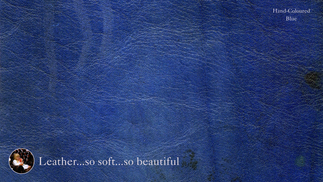
• Indigo → striking blues
Synthetic Dyes
Offer a wider colour range but come with environmental concerns.
A 2022 study found that nearly 30% of synthetic dyes contribute to water pollution, prompting many makers to return to natural alternatives.
This shift reflects a broader movement toward sustainability and responsible craftsmanship — values Winchester shares deeply.
The Revival of Hand-Coloured Leather
As consumers move away from mass‑produced goods, hand‑coloured leather is experiencing a renaissance. People want pieces that feel personal, meaningful, and made with intention.
Today, hand‑coloured leather appears in:
• Luxury bags
• Footwear
• Jackets
• Wallets
• Furniture
• Decorative home pieces
Each item carries the unmistakable signature of the artisan who created it.







Why Choose Hand‑Coloured Leather?
1. Uniqueness
No two pieces are ever identical.
Every brushstroke, swirl, and gradient is a one‑off creation.
2. Quality
Hand‑coloured leather is typically made from premium hides and crafted with care — meaning it can last decades with proper maintenance.
3. Eco‑Friendly
Choosing artisans who use natural dyes and sustainable methods supports ethical production.
4. Aesthetic Depth
Hand‑coloured leather has richness and vibrancy that machine‑dyed leather simply cannot match.
A hand‑coloured wallet, chair, or bag becomes a statement piece — functional, beautiful, and deeply personal.
To preserve its beauty:
• Clean gently with a soft, damp cloth
• Avoid harsh chemicals that can strip colour
• Condition regularly to maintain suppleness
• Keep out of direct sunlight to prevent fading
With proper care, hand‑coloured leather becomes even more beautiful over time.
Celebrating a Timeless Craft
Hand‑coloured leather is more than a technique — it’s a celebration of creativity, heritage, and the human touch. As this craft continues its revival, artisans around the world are breathing new life into age‑old methods, ensuring the tradition endures.
At Winchester Furniture, we honour this artistry through our commitment to premium materials, traditional craftsmanship, and furniture built to last a lifetime.
FAQs
What makes hand‑coloured leather unique?
Each piece is individually dyed by hand, creating one‑of‑a‑kind colour variations and textures.
Is hand‑coloured leather durable?
Yes — when crafted from high‑quality hides and properly cared for, it can last decades.
Are natural dyes better for the environment?
Natural dyes are more eco‑friendly and reduce chemical waste, making them a sustainable choice.
Can hand‑coloured leather be used for furniture?
Absolutely. It creates stunning, character‑rich upholstery with exceptional longevity.


