
The Art of Antique Leather: Hand Rubbing, Feathering & the Importance of the Lacquer Sealant
- William Lythgoe

- 10 hours ago
- 3 min read
Antique leather is one of the most recognisable and traditional finishes in British upholstery. Its depth, warmth and two‑tone character are not created by machines or shortcuts, they are built slowly, by hand, through a process known as antiquing.
At Winchester, this is a discipline carried out with the same patience and precision that defined the craft generations ago. Every layer, every rub, every feathered edge is guided by the maker’s hand. And it is this human element that gives antique leather its unmistakable life.
1. What Makes Antique Leather Different?
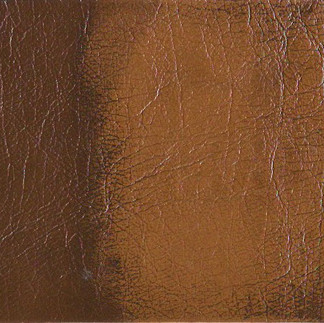
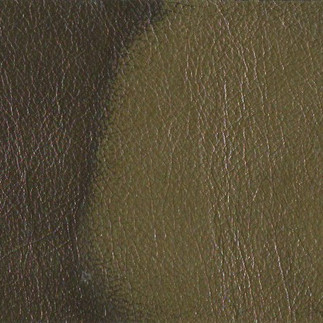
Antique leather is not a printed pattern or a surface effect. It is a layered finish, created by applying darker colour over a lighter base and then working it back by hand. This produces the classic two‑tone appearance:
darker tones in the depths and folds lighter tones on the raised areas
a natural, lived‑in warmth
a finish that improves with age
No two hides ever look the same, and that is the beauty of it.
2. The Antiquing Process: Built by Hand, Not by Machine
The process begins with a base‑dyed hide. Over this, a darker antique colour is applied. But the real craft begins when the maker starts to work the colour back.
This is done entirely by hand:
the darker colour is rubbed back
the lighter base is revealed
the tones are feathered together
the edges are softened
the transitions are blended until they look natural
This is not a wipe‑on, wipe‑off technique. It is a controlled, patient process that requires experience and a trained eye.
The goal is simple: to create depth without harsh lines, and character without artificiality.
3. Feathering: The Signature of True Antique Leather
Feathering is the moment where the maker’s skill becomes visible.
Using cloths, pads and the pressure of the hand, the darker colour is gently eased back from the high points of the hide. This creates the soft, gradual transition that defines real antique leather.
Feathering ensures:
no sharp edges
no sudden colour breaks
no “painted” look
a natural, lived‑in appearance
This is where competitors fail. They try to imitate the look with spray guns or printed finishes, but they cannot replicate the hand‑rubbed feathering that gives antique leather its soul.
4. The Lacquer Sealant: Why It Matters
Once the antiquing is complete, the leather is finished with a clear lacquer sealant. This is not optional, it is essential.
The lacquer:
locks the antique finish in place
protects the hand‑rubbed layers
adds durability
prevents colour transfer
gives the leather its gentle sheen
ensures the two‑tone effect ages gracefully
Without the lacquer, the antique finish would wear unevenly and lose its depth. With it, the leather becomes stable, resilient, and ready for decades of use.
This is the stage most people never see, but it is the stage that preserves everything that came before it.
5. Why This Process Cannot Be Copied
Competitors can copy the look of antique leather in photographs. They can copy the language of heritage craft. They can copy the style of your posts.
But they cannot copy:
the hand‑rubbing
the feathering
the layered colour work
the lacquer sealing
the discipline behind the process
This is not a surface effect. It is a craft technique, and craft cannot be reverse‑engineered from a picture.








6. Antique Leather: A Finish with History and Honesty
Antique leather carries the marks of the maker’s hand. It is shaped, rubbed, feathered and sealed with intention. It is a finish that belongs to traditional upholstery, not mass production.
At Winchester, every antique hide is worked slowly, layer by layer, until the tones settle into a natural, timeless balance. The lacquer sealant protects the finish, the hand‑rubbing gives it depth, and the feathering gives it life.
And this is exactly why Winchester Chesterfields are still appearing in auction houses today. Pieces made decades ago continue to hold their value because the materials were prepared correctly, the finishes were applied by hand, and no corners were ever cut. When a piece is built with discipline from the very first layer of colour, it stands the test of time, both in the home and in the marketplace.
Antique leather is not just a finish. It is a statement of how the craft should be done.


