
Leather Colours & Finishes: A Guide to Patina, Depth, and Character
- Abbie Cadwallader

- 3 hours ago
- 3 min read
Leather is one of the few materials that records its own history. Every mark, shade, and shift in tone reflects the way it was made, the way it has been used, and the craft behind its finish. At Winchester, colour and finish are not surface decoration, they are part of the material’s behaviour, shaped by the hide, the tannage, and the handwork applied in the workshop.
This guide explains how leather colour develops, why finishes matter, and how patina becomes the signature of a well‑made piece.
1. The Foundation: Natural Hide Character
Every hide begins with its own grain pattern, density, and fibre structure. These natural variations influence:
how the leather absorbs colour
how it responds to hand‑rubbing
how it ages and deepens over time
Two hides dyed in the same colour will never look identical, and that individuality is what gives real leather its authenticity.
2. Colour Layers: Building Depth, Not Flatness
In traditional British upholstery craft, colour is built in layers rather than sprayed as a uniform coating. At Winchester, this process is still done by hand:
a base tone is applied to establish warmth
darker tones are added to create depth
the surface is feathered back to reveal movement
the finish is polished to settle the layers naturally
This layered approach creates a three‑dimensional colour effect that cannot be replicated by printed or machine‑applied finishes.
3. The Role of the Finish: Protection and Expression
A leather finish is more than a protective coat, it defines how the colour behaves over time.
Aniline Finishes
Soft, natural, and open‑pored. They show the hide’s true character and develop a rich patina quickly.
Semi‑Aniline Finishes
A balance of natural appearance and durability. Ideal for pieces that need both depth and resilience.
Antique Finishes
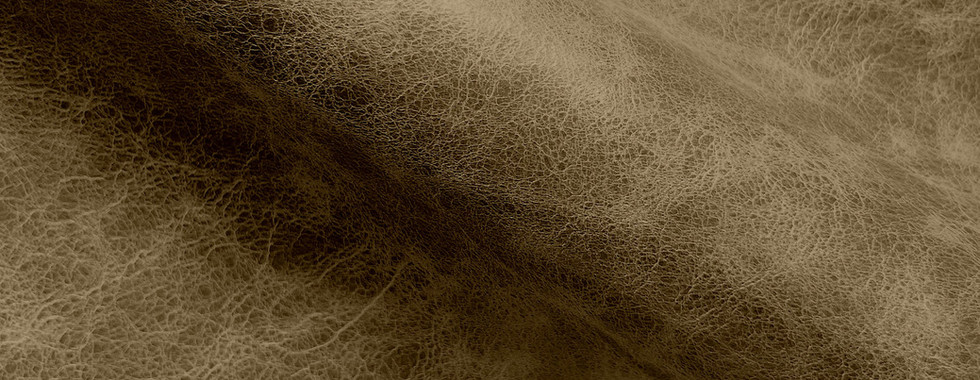
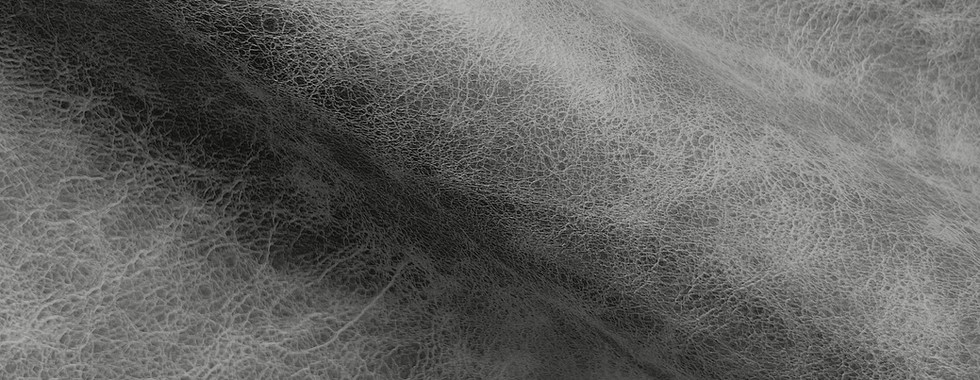
A traditional two‑tone effect created by hand. The darker top layer is worked back to reveal the lighter base, producing the classic antique movement Winchester is known for.
Pigmented Finishes
More uniform and protective. Used when a consistent, contemporary look is required.
Each finish changes how the leather reflects light, how it ages, and how it feels to the touch.
4. Patina: The Signature of Real Leather
Patina is the gradual deepening of colour and sheen that occurs through use. It is not damage, it is the proof of authenticity.
Patina develops through:
natural oils
light exposure
movement and pressure
the settling of colour layers
A well‑made Chesterfield gains character as it ages, becoming more expressive rather than worn. This is why real leather improves over time, while synthetic materials simply deteriorate.
5. Why Colour and Finish Matter in a Chesterfield
A Chesterfield is defined by its depth, not just in the buttoning, but in the leather itself. The way colour sits in the folds, gathers in the tufts, and highlights the grain is part of the piece’s identity.
At Winchester, every hide is selected, cut, and finished to ensure:
the colour aligns across panels
the grain behaves correctly in deep buttoning
the finish matures rather than flakes
the patina develops evenly
This is the difference between a Chesterfield that ages beautifully and one that simply wears out.
6. Choosing the Right Colour and Finish
When selecting leather, consider:
Character - do you prefer natural variation or uniformity
Patina - do you want a piece that evolves or stays consistent
Usage - is the piece for a formal room or everyday living
Atmosphere warm tones create depth; cooler tones create clarity
There is no “best” finish, only the finish that best suits your space and your expectations.








Conclusion: Leather That Tells Its Story
Colour, finish, and patina are not cosmetic choices. They are part of the material’s identity and part of the craft that defines Winchester. When leather is treated with respect, cut correctly, coloured by hand, and finished with care, it becomes a surface that records time, use, and history.
Real leather doesn’t fade into the background. It becomes richer, deeper, and more expressive with every year.
This is Winchester.


